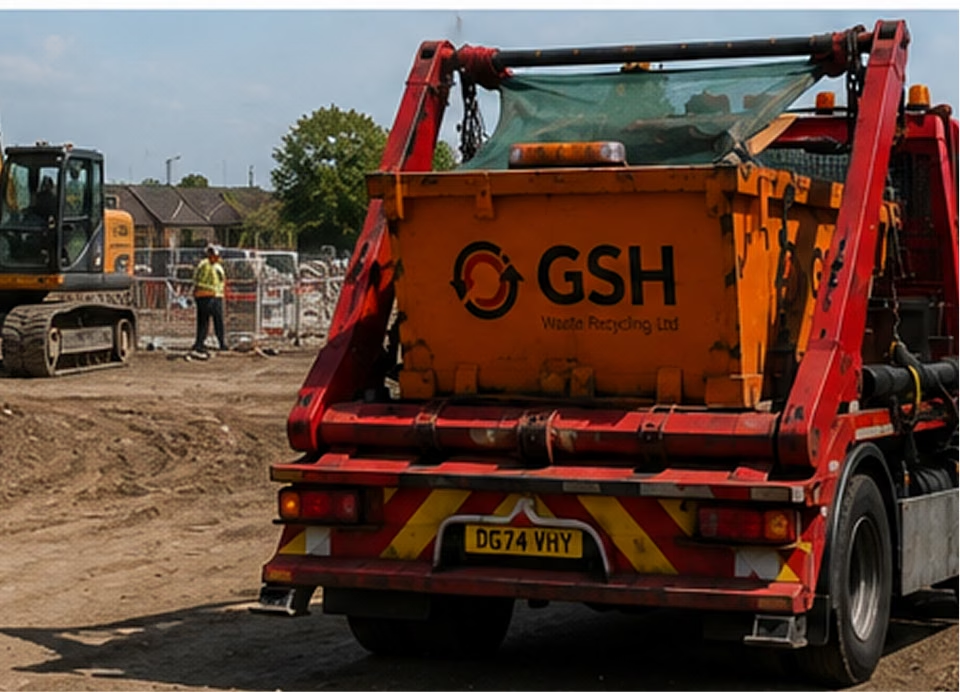
“As we didn’t have a drive to put the skip on we needed a council permit which Jane at GSH organised quickly and informed us how long the permit was valid for. I would definitely use them again”
Kerry Downs

We optimise every stage of the recycling process, ensuring cardboard and paper waste are recovered, separated, and repurposed into valuable materials with minimal environmental impact.
Our efficient recycling systems reduce the volume of waste sent to landfill, cutting your disposal costs while improving long-term operational and sustainability performance.
By recycling locally and minimising waste transport, we help your business significantly lower CO₂ emissions and support broader environmental responsibility goals.
Through advanced sorting and baling processes, we ensure recyclable materials are reused, keeping valuable resources in circulation and preventing waste from ending up in landfill.
In construction terminology, mixed waste is all the waste created on the site which is not hazardous. As mentioned in the European Waste Catalogue 2002, hazardous and mixed waste types must never be confused.
‘Mixed Waste’ is taken to a transfer station where it is fed into a number of picking stations and trammels. These separate the various types of products such as paper, cardboard, plastic, metals and wood for recycling.
The cost of dealing with different streams depends on the how easy the waste is to extract, process into a usable product and what its end value is.
Cross contamination is when waste streams that have been segregated at source are contaminated with other streams.
Mixed wastes are the most expensive to recycle / dispose of. Taking the longest to segregate, they have the poorest quality recyclate fractions and have the highest fraction of landfill. This in turn leads to higher producer costs and poorer Environmental reporting figures.
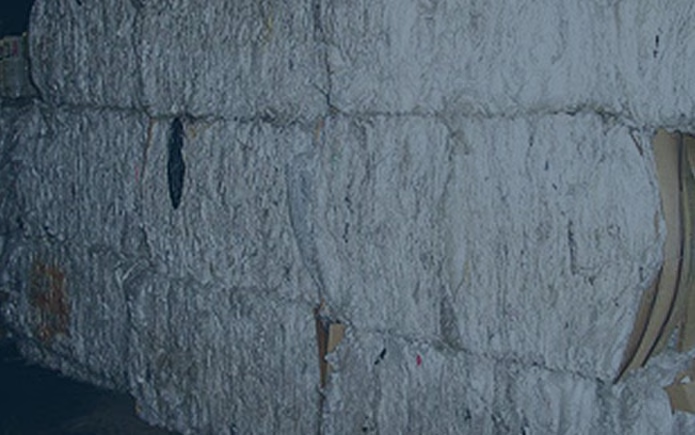
We produce clear film and jazz bales
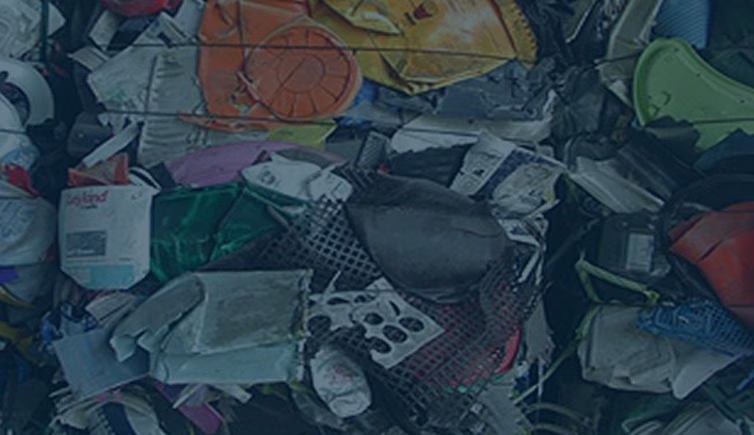
We recover, segregate and recycle plastic material
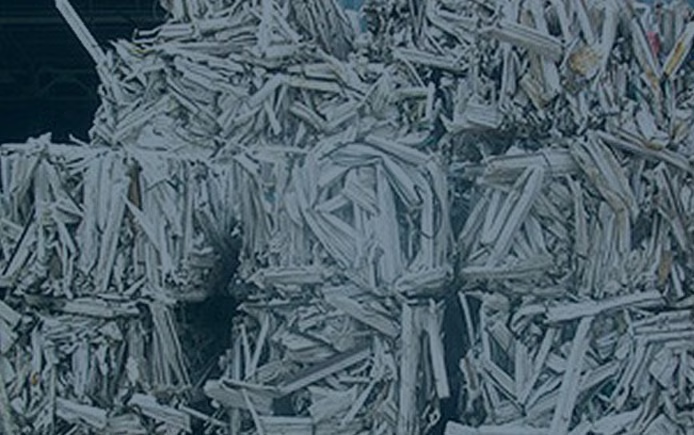
cost effective recycling of valuable waste
The space available for landfill is quickly running out and landfill sites produce large amounts of green house gasses. Therefore to increase recycling rates and make recycling more economically viable the government introduced Landfill Tax; this increases each year via an escalator. Landfill tax will increase year on year, therefore it is imperative that where possible, waste is segregated at source and is not cross contaminated.
GSH Waste Recycling Ltd, Pickerings Road, Halebank, Widnes, Cheshire, WA8 8XW